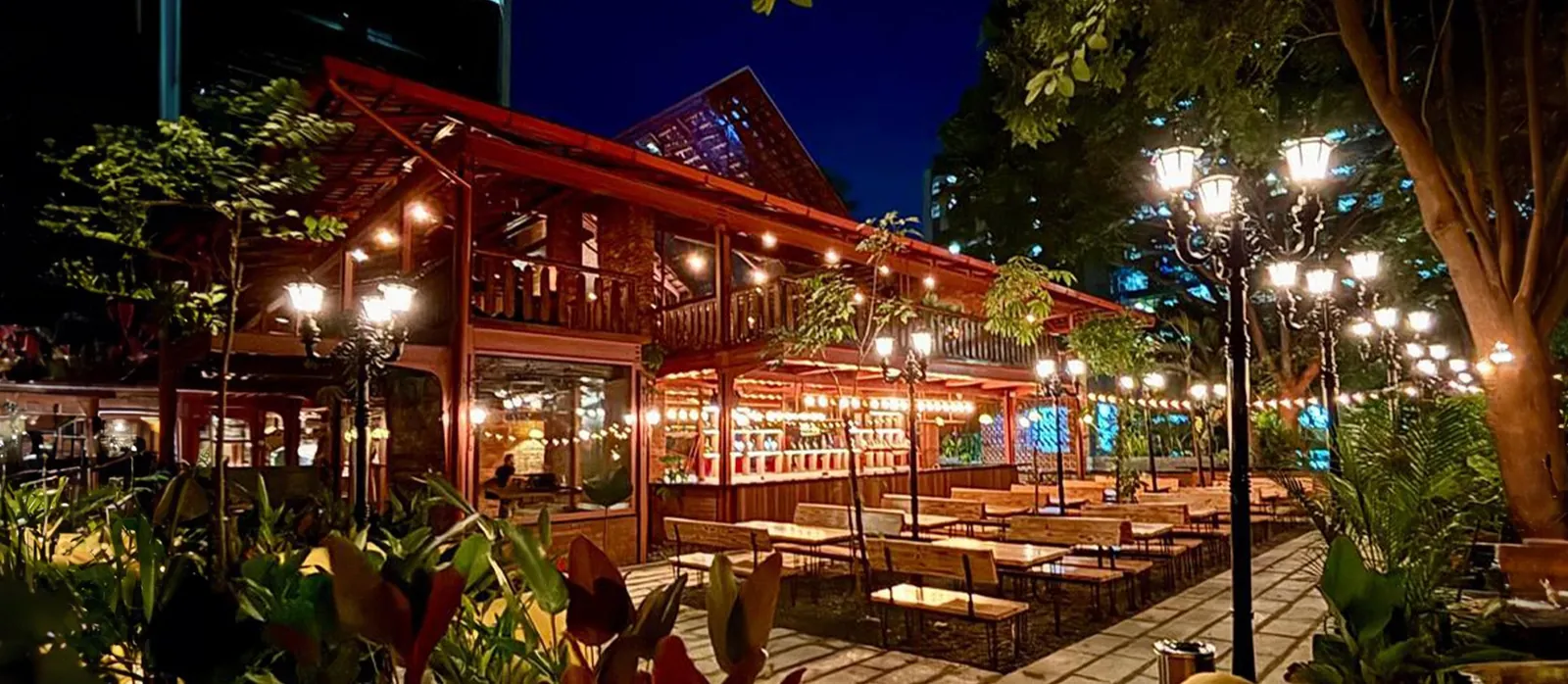
The trouble with being loved locally
The obvious move for a successful craft brewer is to go big. Chase volume, cut price, and try to become the next Kingfisher. We thought that was the wrong move for this brand.
Its value was never in being everywhere. It was in being the beer people chose on purpose. So the brief we set ourselves was narrower and harder: take the brand into retail, into other people's venues and into new cities, without wearing down the premium craft identity its home city had built for it. Growth would be measured in reach, not in discounting.
Selling a beer you're not allowed to advertise
India does not make it easy to launch a beer. Liquor advertising is banned, and excise rules change every time you cross a state border. The usual marketing playbook of billboards, TV spots and paid social is simply off the table. People in the trade call what's left "dark marketing." You win at the shelf, in the store and in conversation, or you don't win at all.
So when the beers went into bottles, starting with two signature styles, the shelf became the campaign. We worked on placement in premium liquor stores in the home city. Bespoke six-pack carriers and custom branded fridges made the bottles look like they belonged there. In a fridge full of lagers, a branded carrier had to do the job a billboard would do anywhere else.
For the home-city bottle launch, we brought in a well-loved local personality. It was a deliberately local choice. The city already knew and loved the brand, and a local voice was the most natural way to tell it that its brewpub now came in a bottle.
Kegs first, bottles second
The bottles did not arrive out of nowhere. Long before a six-pack sat in a store fridge, the beer was already on tap in places people noticed. That included airports, top-end bars and premium malls. By the time someone saw the bottle on a shelf, there was a good chance they had already had the beer somewhere else.
That draft network was built one relationship at a time. The brand landed taps at private members' clubs that don't hand them out lightly. Cultural moments helped too. A presence at live music events put the beer in front of exactly the crowd that venue owners want to serve, which made the next keg conversation easier.
Then there was outdoor catering. Event catering had been handled case by case. We helped turn it into a proper sales channel with its own process and pipeline. Events stopped being one-off favours and started showing up in the numbers.
Crossing state lines
A name that means something in one neighbourhood means very little in another city. Moving into new cities meant the brand had to introduce itself all over again, in markets with their own favourite bars and their own opinions.
It started with the brand itself. The original name described one kind of place. The business now included bottles, kegs and hospitality, so it needed a name and look that could stretch across all three. We led a light-touch visual rebrand toward a broader identity. Specialist branding agencies did the design work. Our job was to sit between them and the founders, and to make sure each good idea actually made it into stores, menus and taps.
The less obvious move was football. A partnership with a leading football club did its quiet work in the home city, but its real breakthrough came in the new cities. Following a club gave new drinkers a reason to trust an unfamiliar beer. It also gave the brand a way to show up in those cities without a single ad.
The unglamorous middle
How a beer brand grows is mostly a story about the details nobody writes press releases about. A lot of our time went there.
We ran merchandise end to end. That meant designing, sourcing and placing apparel and glassware on the floor in the outlets. We built a new website that works as a tool, not a brochure. It books brewery tours, tells the brand's story and sells merch. The brewery tour itself was once a 3.5-hour technical walkthrough. We reshaped it into an experience a curious drinker, not just a brewer, would enjoy.
The menus got an overhaul too. Clearer menus make for easier ordering and bigger orders, and the redesign was built to raise average order value as well as improve the guest's evening. The brand's community work grew from a single charity partnership into a programme spanning several NGOs.
Then there was the question every fast-growing founder-led company runs into: who carries the vision when the founders can't be in every room? With about 500 people across venues, breweries and sales teams, we ran the hiring for Founder's Office roles. Those people now turn the founders' intent into daily execution.
What the growth looks like
The growth is real, but what sits behind it matters more.
The brand is no longer one brewpub with a reputation. It is a business with four ways to reach a drinker: its own taprooms, bottles on retail shelves, kegs in other venues, and clubs and events. It operates across three cities and two state excise systems, and it has stayed premium in a market that keeps tempting brewers to cut price. Just as importantly, it still sounds like itself.
That last part was the whole point. Getting bigger is easy to describe. Getting bigger without turning into something else is the harder job, and the one we were brought in to help with.